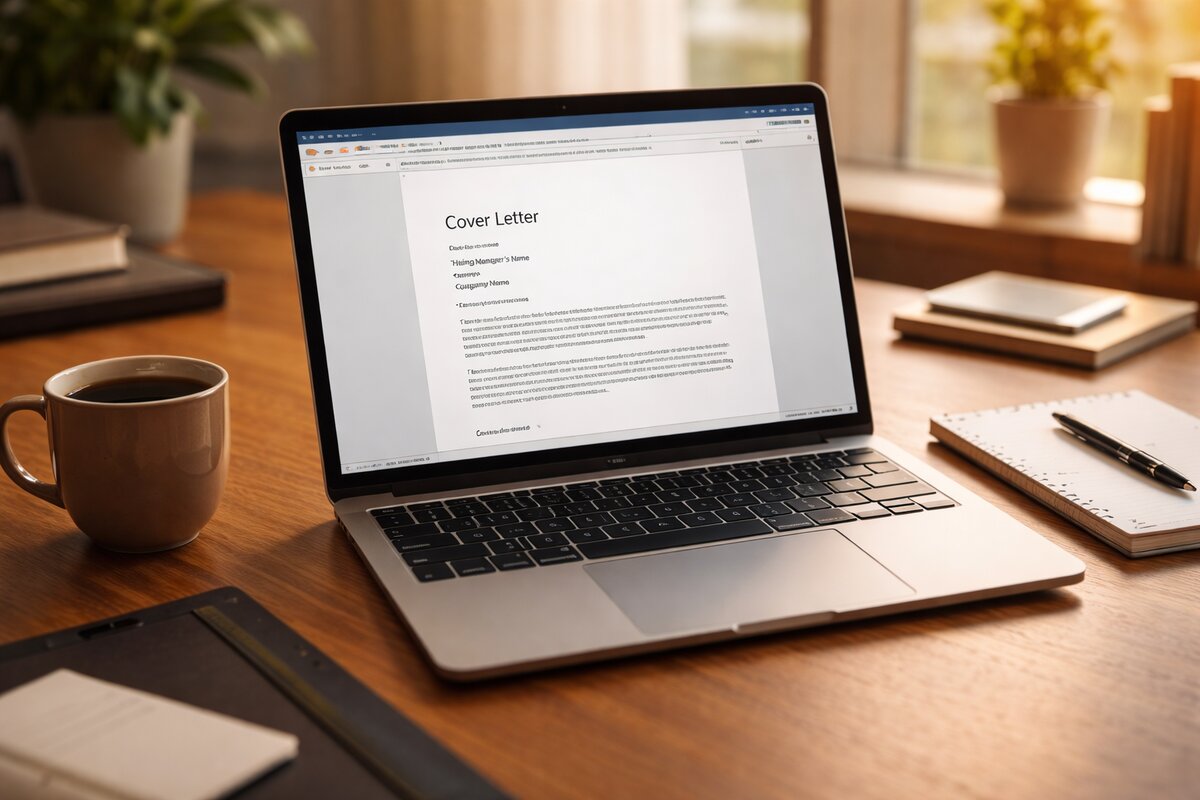
Many candidates skip the cover letter or write a generic one. That's a missed opportunity. A good cover letter can get you an interview when your CV alone might not.
Keep It Short
Three paragraphs. Half a page maximum. Nobody reads long cover letters.
Structure That Works
Paragraph 1: Why this job
State the position you're applying for and why you're interested in this specific role at this specific company. Show you've done your research.
Paragraph 2: Why you
Highlight 2-3 relevant achievements or skills. Don't repeat your CV - pick the most relevant points and add context.
Paragraph 3: Next steps
Express enthusiasm for discussing further. Mention your availability. Thank them.
Example Opening Lines
Weak: "I am writing to apply for the Operations Manager position I saw advertised."
Better: "Your Operations Manager opening caught my attention because of [company name]'s expansion in the Middle East - a market I've worked in for the past five years."
What to Avoid
- Generic letters sent to every company
- Repeating your entire CV
- "I believe I would be a great fit" without explaining why
- Salary expectations (unless specifically asked)
- Spelling the company name wrong (it happens more than you'd think)
Maritime-Specific Tips
- Mention specific vessel types or trades you've worked with
- Reference relevant certifications early
- If transitioning from sea to shore, address it directly
- Show you understand their business - fleet type, trading areas, market position
Final Check
- Is it addressed to a real person? (Find the hiring manager's name if possible)
- Is the company name spelled correctly?
- Does it answer "why should we interview you?"
- Is it under half a page?
A cover letter takes 20 minutes to write properly. That investment can make the difference between your CV being read or skipped.